

-
Cutting Mat for Leather & Crafts A3
Regular price £13.50 GBPRegular priceUnit price per -
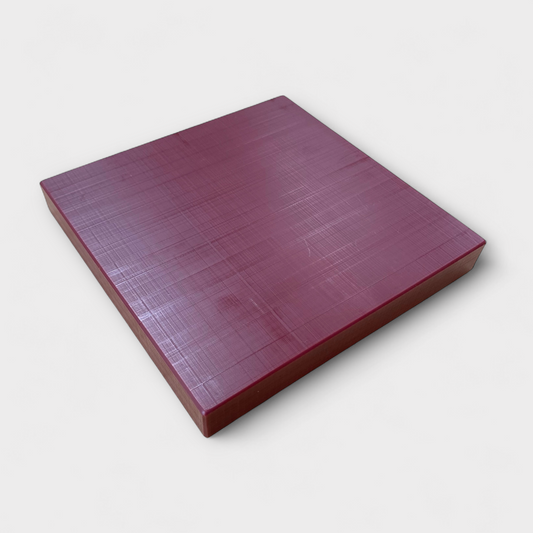 Best Seller
Leather Punching and Cutting Board
Regular price £22.50 GBPRegular priceUnit price per -
 Sold out
Economy Leather Punching Board
Regular price £12.50 GBPRegular priceUnit price per -
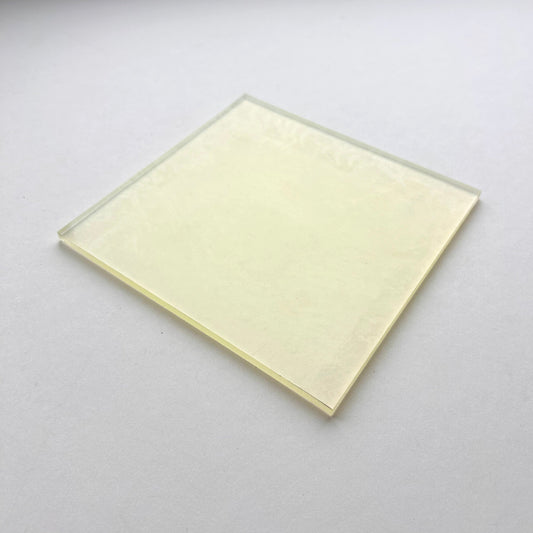 Best Seller
Leather Punching and Cutting Mat
Regular price From £15.50 GBPRegular priceUnit price per -
Poundo Board for Leathercraft - Small or Large
Regular price From £12.95 GBPRegular priceUnit price per -
Marble Paring Stone for Leathercraft
Regular price £19.50 GBPRegular priceUnit price per -
Cork Leather Punching Mat
Regular price From £7.50 GBPRegular priceUnit price per -
Cork Block for Leatherwork - Square
Regular price £7.50 GBPRegular priceUnit price per



Self-Healing Cutting Mats
Self-healing cutting mats are designed for use with rotary cutters, craft knives and utility knives. Their flexible surface closes after each cut, reducing visible cut marks and helping blades stay sharper for longer.
These mats are ideal for:
- Pattern cutting
- Cutting thin leather and linings
- Measuring and marking projects
- Protecting your workbench from knife damage
Many self-healing mats also feature printed grids and measurement guides, making them ideal for accurate layout and straight cuts.
Best for: Knife work, measuring and general bench protection.
HDPE Cutting Boards
High-density polyethylene (HDPE) cutting boards provide a firm, durable surface for leatherworking. They are designed specifically for knives and heavy duty punches.
Unlike self-healing mats, HDPE boards are intended to withstand repeated cutting and punching without damaging your tools.
They’re ideal when using:
- Head knives
- Round knives
- Strap cutters
- Utility knives
- Clicker knives
- Drive punches
- Oblong punches
- Slot punches
- Hole punches
- Belt end punches
- Corner punches
Because the surface has a small amount of give, HDPE helps protect blade edges while providing excellent support.
Best for: Heavy cutting, punching and general leatherwork.
Leather Punch Boards (Poly Punch Boards)
Leather punch boards are designed specifically for stitching chisels, and can be used for cutting.
These dense polymer boards allow punches to pass cleanly through leather without striking a hard surface underneath, helping preserve cutting edges and produce cleaner holes.
Using a proper punch board helps:
- Extend the life of punches
- Reduce mushrooming and damage
- Produce cleaner cuts
- Protect your workbench
Best for: Stitching chisels.
Poundo Boards
Poundo boards are a long-standing favourite among leatherworkers for punching, stamping and tooling. Made from a dense yet resilient rubber-like material, they absorb the impact of mallet blows while allowing punches and stamping tools to work effectively without excessive rebound.
They’re commonly used beneath:
- Stitching chisels
- Drive punches
- Round and oblong punches
- Leather stamps
- Basketweave and decorative tooling stamps
Because a Poundo board cushions the impact, it helps reduce noise, protects your workbench and minimises wear on your tools. Many leatherworkers also place a granite slab on top of a Poundo board to create a stable, quieter tooling surface.
Best for: Punching, stamping, tooling and reducing impact on your bench.
Granite Slabs
Marble slabs provide an extremely hard, flat and stable surface that’s ideal for leather tooling and hardware installation. Unlike softer boards, granite doesn’t flex or absorb impact, allowing energy from your mallet to transfer efficiently into your tools.
Marble slabs are commonly used for:
- Paring leather
- Leather carving and tooling
- Decorative stamping
- Setting rivets, snaps and eyelets
- Edge creasing
- General assembly work
For the best results, a granite slab is often placed on top of a cork board or Poundo board. This combination reduces vibration and noise while keeping the slab stable during use.
Best for: Paring, tooling, stamping and setting hardware.
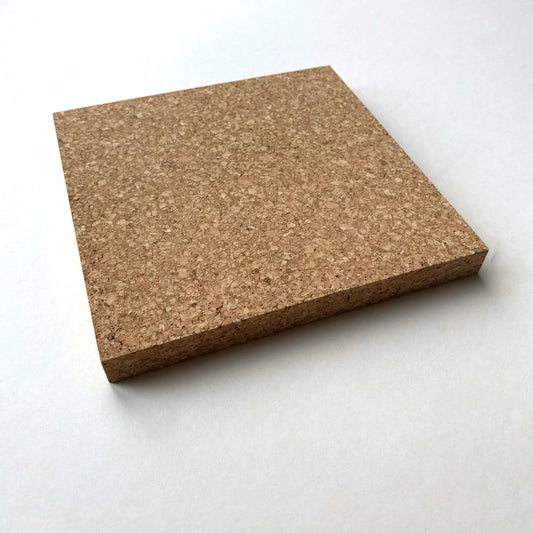
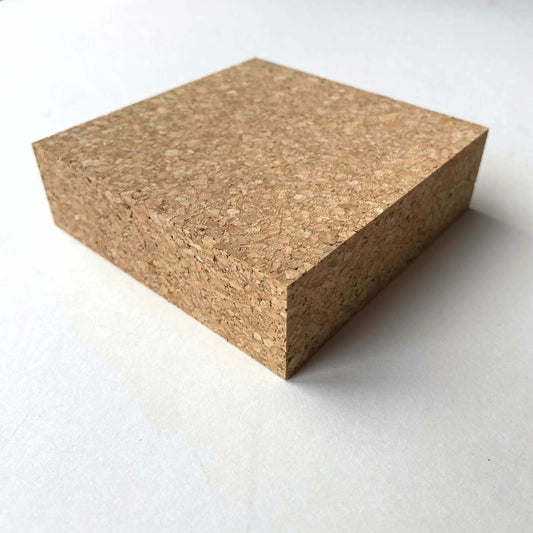
Cork Boards
Cork boards provide a softer working surface and are most commonly used underneath granite slabs to absorb vibration, reduce noise and prevent movement across your workbench, or for pre-punching holes with a Diamond Stitching Awl.
They are especially useful when:
- Tooling vegetable tanned leather
- Stamping leather
- Supporting granite or marble slabs
- Protecting delicate work surfaces
The cork acts as a shock absorber, helping create a quieter and more comfortable workspace while improving the stability of your tooling surface.
Best for: Supporting granite slabs and reducing vibration.

Which Leatherworking Board Do I Need?
As a quick guide:
- Self-healing cutting mat – For knife cutting and measuring.
- HDPE cutting board – For heavy cutting with leather knives.
- Punch board – For stitching chisels and leather punches.
- Poundo board – For punching, stamping and absorbing impact.
- Granite slab – For tooling, carving and setting hardware.
- Cork board – Under a granite slab to reduce vibration and noise.
Many experienced leatherworkers keep several of these on their bench, switching between them depending on the task. A popular setup is a cork board underneath a granite slab, with a Poundo board used for punching, and a self-healing mat or HDPE board for cutting. Using the right surface for each job produces cleaner results and helps maximise the life of your leatherworking tools.
Quality Leathercraft Boards & Mats
Explore The Journal...
View all-

Linen Thread Sizes Explained: What Does 18/3 Me...
In this guide, we explain linen thread sizing, what 18/3 means, how linen thread sizes compare in mm, and which sizes are commonly used for different leatherworking projects.
Linen Thread Sizes Explained: What Does 18/3 Me...
In this guide, we explain linen thread sizing, what 18/3 means, how linen thread sizes compare in mm, and which sizes are commonly used for different leatherworking projects.
-

How to Punch Straight Stitching Holes with a Pr...
If your stitching holes wander, change direction or don't line up neatly on the back of the leather, a few simple adjustments to your technique can make a significant difference....
How to Punch Straight Stitching Holes with a Pr...
If your stitching holes wander, change direction or don't line up neatly on the back of the leather, a few simple adjustments to your technique can make a significant difference....
-

The One Tool I Couldn’t Work Without (And Why E...
If I had to choose just one tool to keep on my workbench (apart from a knife), it would be my Sinabroks Stitching Irons. Whether you’re making your first wallet...
The One Tool I Couldn’t Work Without (And Why E...
If I had to choose just one tool to keep on my workbench (apart from a knife), it would be my Sinabroks Stitching Irons. Whether you’re making your first wallet...


